
Wildlife Control
Humane Wildlife Control & Exclusion
Protect your home with humane wildlife control focused on exclusion, prevention and responsible removal. Innovative Pest Solutions works to keep wildlife out while minimizing stress to the animals and reducing the risk of future entry.
Humane & Compassionate
Exclusion First
Long-Term Prevention
Humane Wildlife Control in Alberta
Protecting Your Property While Respecting Wildlife
Our approach starts with exclusion whenever possible. Rather than relying immediately on baiting or trapping, we identify how wildlife is accessing the property and develop a plan to help animals leave safely while preventing re-entry.
When wildlife creates a significant health or property risk, live trapping may be considered. Monitoring tools and cameras can be used to track activity and help the team respond quickly. Our goal is always to resolve the problem responsibly while protecting your home, family and surrounding environment.
A Smarter Approach to Wildlife Control
Inspect & Identify
We assess the property, look for signs of wildlife activity and locate the entry points or conditions contributing to the problem.
Exclude & Resolve
Whenever possible, we use humane exclusion and one-way systems that allow wildlife to leave while helping prevent it from getting back inside.
Monitor & Prevent
Follow-up inspections and monitoring help confirm the issue has been resolved and identify new vulnerabilities before they become larger problems.
Wildlife Exclusion & Property Protection
Long-term wildlife control depends on addressing the openings and weak points animals use to access a building. Depending on the property, our exclusion and prevention work may include:

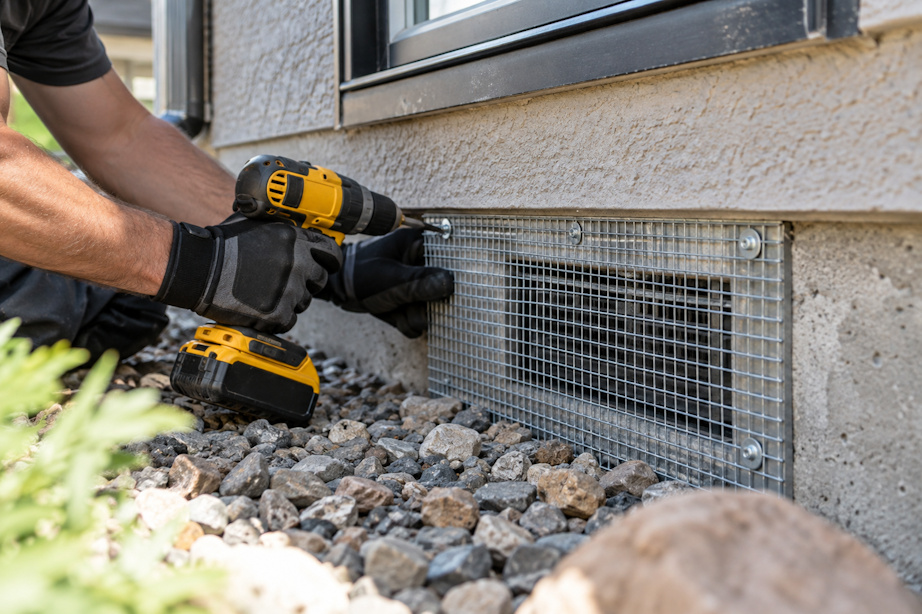
Rodent Proofing
Seal vulnerable openings to help prevent rodents from entering and damaging the property.
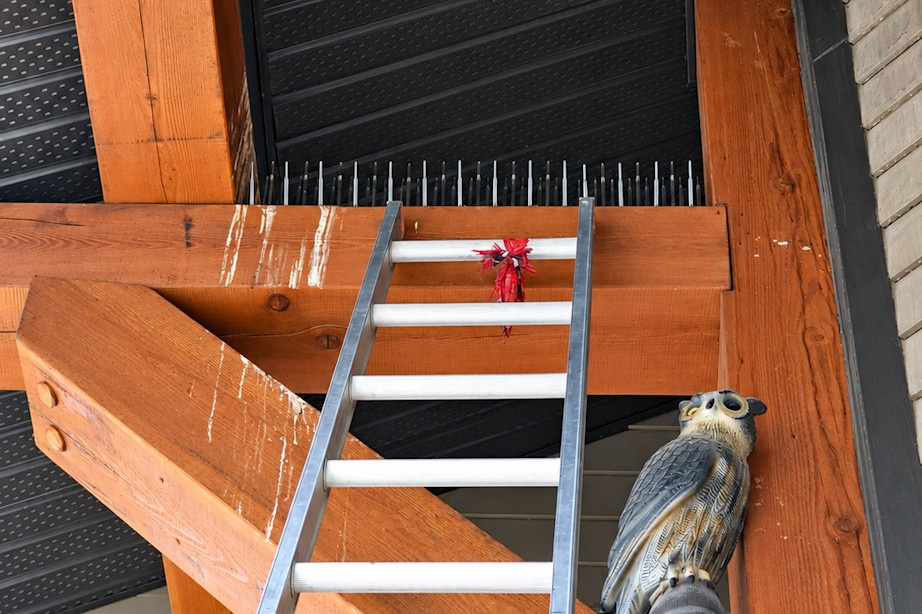
Bird Exclusion
Discourage birds from nesting or roosting in unwanted areas around the building.
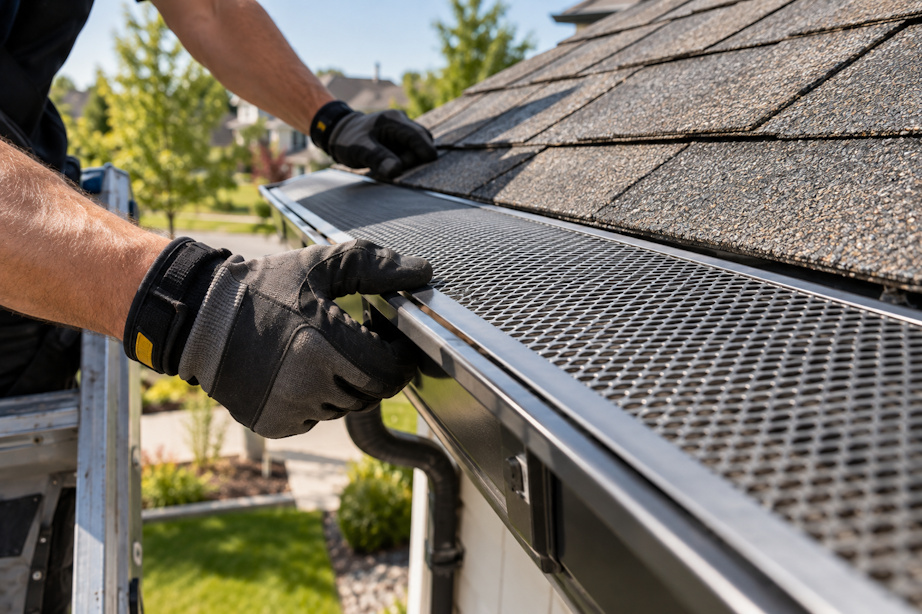
Gutter Guard Installation
Install barriers that reduce debris buildup and help discourage wildlife from nesting in gutters.
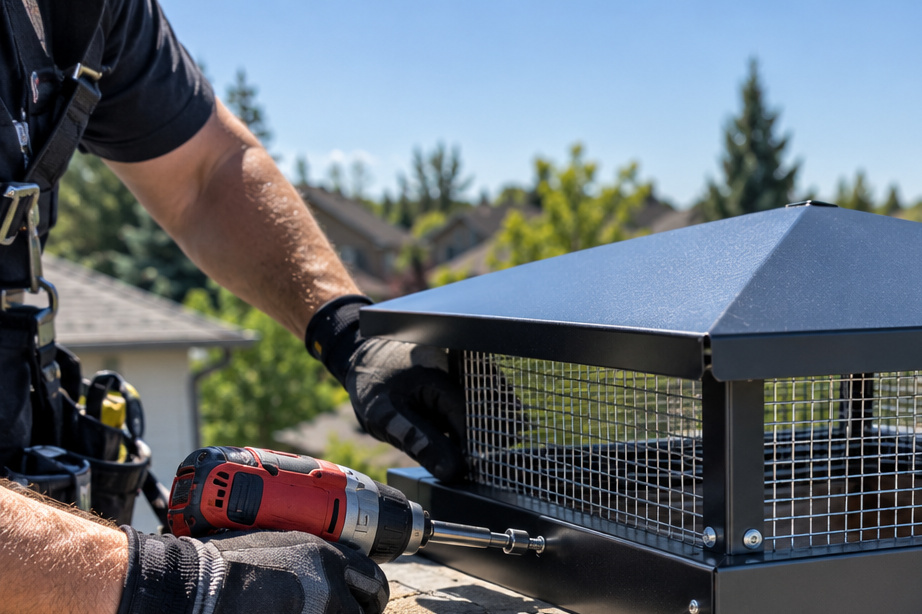
Chimney Cap Installation
Protect chimney openings from wildlife entry with secure caps and barriers.
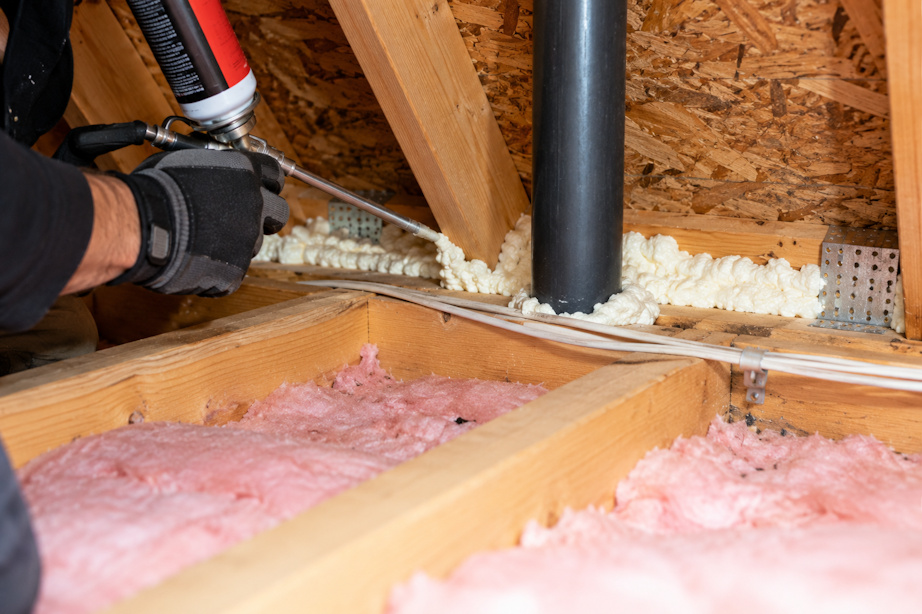
Attic Sealing
Close gaps and openings that can provide access to attic and roof spaces.
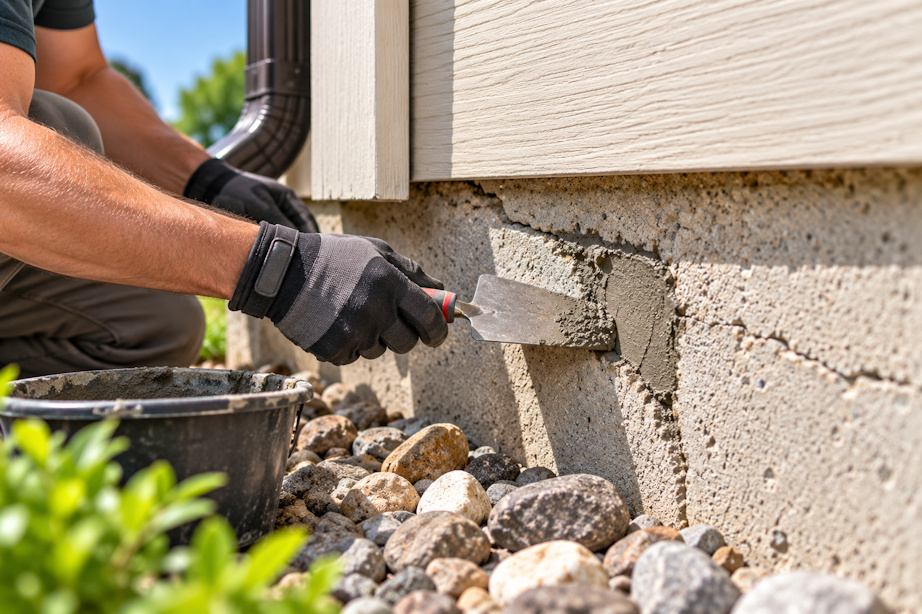
Foundation Crack Repair
Address cracks and openings around the foundation that may become wildlife entry points.
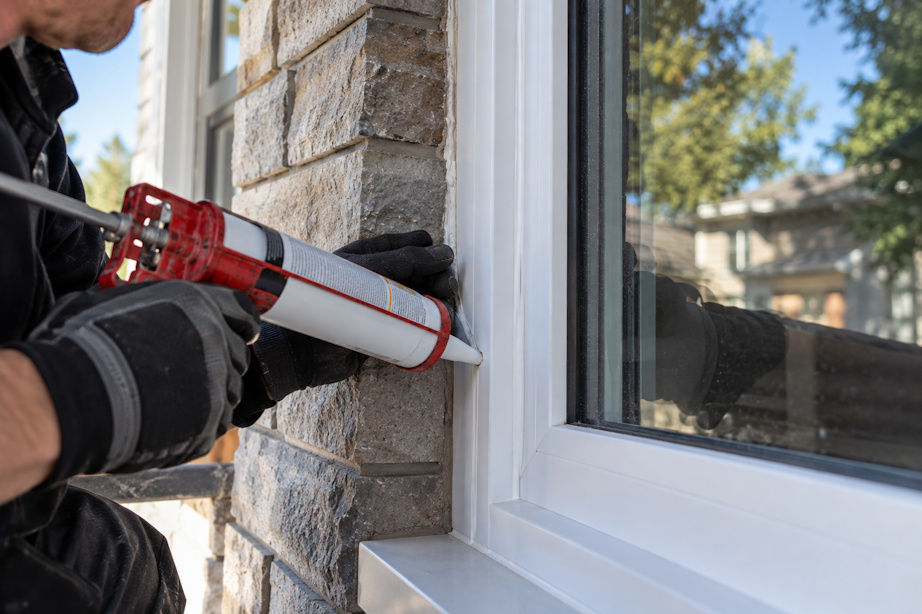
Window & Door Sealing
Seal vulnerable areas around windows and doors to reduce access into the home.
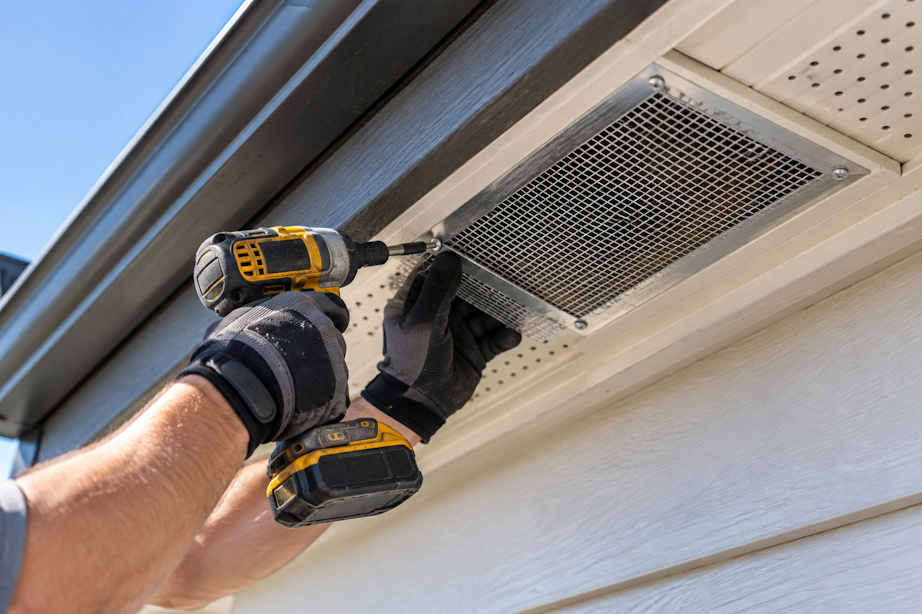
Vent Mesh Installation
Protect vents and openings with durable mesh designed to help keep wildlife out.
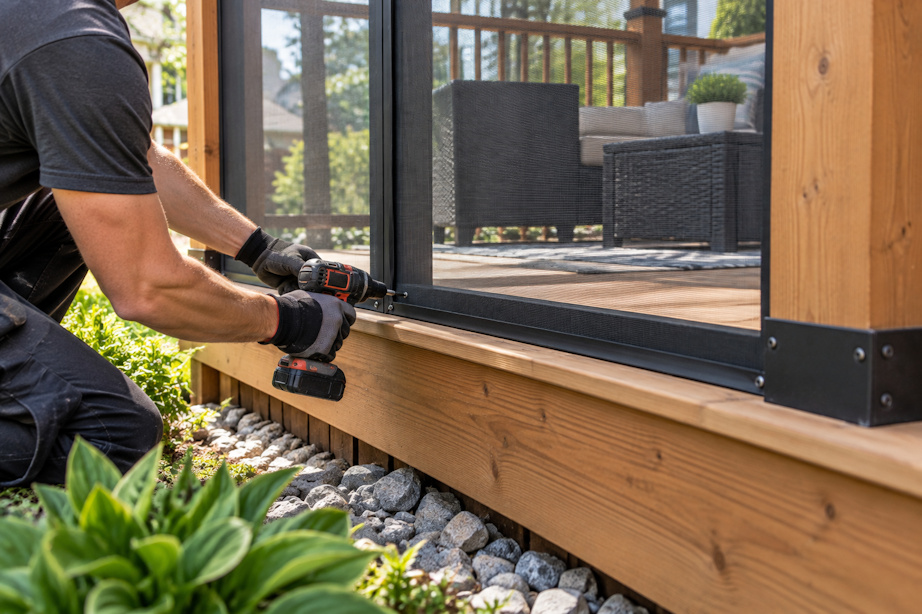
Deck & Porch Screening
Create barriers around decks, porches and similar spaces to discourage animals from nesting underneath.
Exclusion First
Humane by Design
Exclusion addresses the reason wildlife keeps returning: access to the structure. One-way devices and physical barriers can allow animals to leave naturally while preventing re-entry. Materials may include wire mesh, reinforced barriers, vent guards, sheet metal and other building-appropriate solutions selected for durability and discreet installation.
Proper timing and placement are important so wildlife is not trapped inside. Our approach combines an understanding of animal behaviour with building construction to create a solution that protects the property without unnecessary harm to wildlife.
COMMON SIGNS
Common Signs of Wildlife Activity
Wildlife is often heard or detected before it is seen. Early assessment can help limit damage and make the problem easier to resolve.
- Scratching, scurrying or thumping sounds in walls, ceilings or attic spaces
- Droppings, tracks or nesting materials near possible entry points
- Strong or unusual odours
- Damage to vents, soffits, rooflines, siding or other exterior materials
- Disturbed insulation or vapour barriers
- Chewed wiring or damaged building materials
- Repeated activity around the same area of the home
Our Promise
Your Peace of Mind Matters
Our goal is not simply to remove wildlife. We want to resolve the access problem and help protect the property long term. If wildlife re-enters through an area covered by previous exclusion work, the team will assess the issue under the applicable service guarantee. If a new entry point is involved, we will explain what we found and outline any additional work required.
FREQUENTLY ASKED QUESTIONS
Wildlife Control FAQs
How can I tell if wildlife is living in my home or building?
Common indicators include movement or scratching sounds, visible animals or tracks, droppings, nesting material, unusual odours and damage around the exterior. Wildlife is often heard before it is seen.
Are wildlife noises usually heard at night?
Many species are most active at night, but activity depends on the animal, season and local conditions. Daytime sounds can also occur.
Can occasional noises still mean I have a wildlife problem?
Yes. Animals may be quiet for long periods, so intermittent sounds can still indicate nesting, denning or repeated use of a space.
What kind of damage can wildlife cause?
Wildlife may damage insulation, vapour barriers, wiring, vents, soffits, roofing and siding, and may enlarge existing openings to maintain access.
How does wildlife get into attics and wall spaces?
Common access points include roof vents, soffits, rooflines, gaps, construction joints, deteriorated materials and areas that were previously damaged.
Why are wildlife problems common in spring and fall?
Animals often seek protected areas in spring for raising young and in fall for shelter from colder weather.
Can wildlife create new entry points?
Yes. Persistent animals can exploit weak or aging materials and may create or enlarge openings. Periodic inspections can help identify vulnerabilities early.
Can wildlife return after exclusion work?
It is possible for persistent wildlife to attempt re-entry or create a new opening. Follow-up inspections help confirm existing barriers remain effective and identify new vulnerabilities.
Is wildlife dangerous to people or pets?
Direct encounters are uncommon, but wildlife can defend itself when stressed, cornered or protecting young. Professional handling reduces risk to people, pets and the animal.
Can wildlife carry diseases or parasites?
Wildlife can carry parasites or disease, although household transmission is not inevitable. Risk can increase when animals nest inside and waste accumulates.
Is wildlife removal humane?
The service is designed to minimize stress and avoid unnecessary harm. Exclusion lets animals leave the structure while remaining in the environment they already know.
Can exclusion be done without trapping wildlife inside?
Yes. Correctly placed one-way devices and careful timing allow animals to exit safely while preventing re-entry.
How do you remove wildlife?
The preferred approach is humane exclusion. One-way systems allow animals to leave the structure while barriers prevent re-entry. Trapping or relocation is reserved for limited situations where it is appropriate.
Do you relocate wildlife?
Relocation is generally avoided and considered only in exceptional circumstances. Exclusion is typically the preferred solution.
How long does wildlife removal take?
Many exclusion systems can be installed in one service visit, although timing varies by the property, species and complexity of the entry points. Follow-up may be recommended.
What is wildlife exclusion?
Wildlife exclusion uses physical barriers and one-way exit devices to let animals leave while preventing them from returning.
Why is exclusion important for long-term wildlife control?
Removing an animal does not stop another animal from using the same opening. Exclusion addresses the access point, which helps reduce recurring problems.
What materials are used for exclusion?
Depending on the building, materials can include wire mesh, steel wool or fill fabric, sheet metal, vent guards and reinforced barriers.
What maintenance is needed after exclusion?
Routine inspections are the best way to check that barriers remain intact and to find new weak points as a building ages or changes.
What happens if wildlife re-enters after service?
If re-entry occurs through an area covered by the original exclusion work, the team will review it under the applicable guarantee. New entry points may require additional quoted work.
PESTS OUT. PEACE OF MIND IN.
Ready to Protect Your Home?
Request a free quote and let our team create a customized bed bug treatment plan for your home.